Walk into a commercial mechanical room and the first thing you notice is scale. Pipes the size of tree trunks, pumps you can’t lift without a hoist, control panels with more relays than a small factory. The toolkits that keep these systems running follow the same rule. Commercial plumbing tools are built for volume, pressure, and uptime, and they diverge from residential gear in ways that aren’t obvious until you’ve had to clear a 4-inch restaurant line at 3 a.m. or press a 6-inch copper main under a permit deadline.
This guide draws the line between commercial and residential plumbing tools with the sort of detail you only get after years of crawling behind racks, hauling machines up stairwells, and finding out the hard way which cutter actually squares steel pipe on the first pass. If you’re a plumber moving from homes to hotels, or a facilities manager trying to equip a shop for heavy-duty Plumbing projects, understanding these differences saves time and avoids expensive do-overs.
Scale drives tool choice
Residential plumbing lives in the 1/4 to 2-inch world. Fixtures are standardized, supply pressure is modest, and most repairs involve copper, PEX, CPVC, or threaded black iron for gas. Commercial plumbing steps into 2 to 12 inches and beyond, with long runs, high fixture counts, recirculation loops, hydronic systems, and complex venting. Materials expand to cast iron, Schedule 40 and 80 steel, copper in sizes that need two hands to hold, stainless in food service areas, and specialty plastics for labs.
Once you accept that increase in pipe size and system complexity, the tool list naturally shifts. Torque requirements jump. Access gets tougher. Safety exposures rise. Precision standards tighten because small deviations across large systems turn into leaks, water hammer, or inspection failures. The right commercial tool is not simply a bigger version of a residential one, it is often a different technology entirely.
Cutting and preparation: from tubing cutters to power bevelers
Residential work leans on hand tubing cutters, small pipe cutters, and the occasional hacksaw. A clean, square cut on 1/2 or 3/4 inch copper takes a minute and a steady hand. Commercial jobs demand power and alignment. A single pipe end out of square on a 4-inch steel line can prevent a flange from sealing or throw a welded joint out of plumb by several degrees.
Professionals reach for chain-driven soil pipe cutters for 3 to 6 inch cast iron, a tool that can snap a line cleanly with a few pumps when set correctly. On steel and stainless, portable bandsaws and cold-cut saws do the rough cut, then facing tools or bevelers handle the prep. Orbital saws show up when the spec calls for repeatable, burr-free cuts on large diameter copper or stainless, especially in food processing or hospitals where cleanliness counts. I keep a compact beveler in the truck because it trims hours from prep on welded joins, and it saves consumables on the welder by presenting a consistent land. For copper bigger than 2 inch, ratcheting cutters with heavy frames and large rollers prevent spiral cuts and ovalizing.
Chamfering and deburring matter more in commercial settings because those edges interact with higher velocities and sensitive seals. A PEX burr in a house might whistle. In a high-rise water main it can shred an O-ring over time. That prompts the use of powered deburring tools and reamers sized for 3 to 6 inch interiors so the flow is smooth and gasketed joints last.
Joining methods at commercial scale
Solder and press fittings dominate small residential copper. Threaded fittings stand in for gas or small mechanical rooms. In commercial work, the menu expands and the requirements tighten. The dominant joining families are press, groove, weld, and no-hub clamp systems, each with its own tool ecosystem.
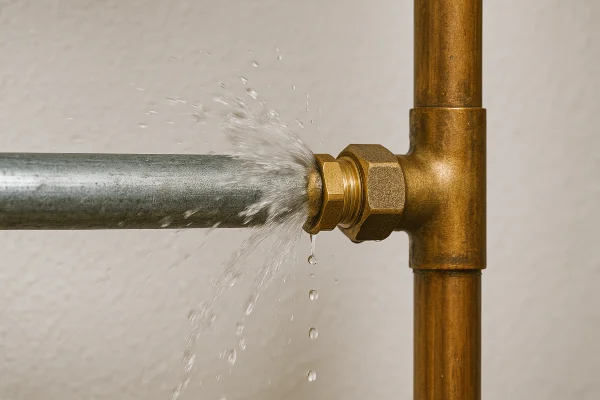
Press tools, familiar to many residential techs, scale up in commercial work. A handheld press gun that handles 1 inch copper in a house is not enough for 4 inch copper or stainless mains in a hotel. Larger press tools use beefier jaws, longer cycles, and often tethered battery packs or cords. They also require precise placement and calibration to avoid incomplete crimps. The difference between a good press and a borderline one becomes clear during a hydrostatic test at 200 psi when the inspector is watching. I carry both a mid-size press gun for 1/2 to 2 inch and a high-force unit for 2 1/2 to 4 inch, plus a certification log for the jaws. Manufacturers often flag the cycle count of the tool and require servicing at intervals, a detail that matters when the job spec references warranty compliance.
Grooved piping systems rely on roll groovers and couplings, a workhorse approach in commercial buildings because it allows fast assembly, easy maintenance, and controlled flexibility. A proper groove depth and wall engagement are critical, which is why commercial plumbers use stand-mounted or power-assisted roll groovers. Hand groovers can work in a pinch, but the consistency of a powered machine protects you from leaks on long mains. If you have ever chased a weeping coupling around a parking garage, you understand the value of a groove gauge and a recorded setting.
Welding remains the gold standard for certain mechanical rooms, high-temperature lines, and where vibration or high pressure rule out gaskets. Here the plumber’s toolset includes pipe stands with rollers, alignment clamps, and sometimes internal line-up clamps that prevent mismatch on schedule 80. The choice of bevel angle, land, and root gap becomes a tool decision as much as a technique one: you need consistent prep equipment to standardize those parameters, especially if multiple welders are working a long run.
No-hub and hub-and-spigot cast iron systems introduce torque-limited fastening. The torque-limiting wrench, often overlooked by residential techs, is non-negotiable here. A coupling over-torqued by 20 percent can ovalize the pipe or cut the gasket, and an under-torqued one can leak under surge. I replace torque wrenches annually because they drift, and I check them against a calibrator every quarter on large jobs. That habit avoids callbacks when the rain leaders see their first storm.
Threading and grooving: machines with muscle
Threading half-inch black iron in a house is a hand-die job. Threading 2 inch and up for a commercial boiler header calls for a power threader with a rigid stand and die heads that match the pipe schedule. The minutes you save per thread add up across a build-out, but the real win is consistency. A thread that engages fully without binding at four to five turns seals with less dope and tape, and it reduces the chance of hairline cracks on fittings.
For grooved systems, a power roll groover mounted on a pipe stand or integrated into the threader frame is standard. You need a stable base, proper feed, and a groove depth gauge nearby. Newer machines allow conversion between threading and grooving with module swaps. That flexibility is useful in tight mechanical rooms where hauling multiple stands is a burden. Keep in mind, though, that switching modules burns time if you have to move between operations frequently. On large installs I stage a dedicated groover at one end of the shop and a threader at the other to keep the flow steady.
Drain cleaning: from hand augers to sectional machines and jetters
Residential drain clearing spans hand augers, small drum machines, and sometimes a compact camera. Grease, hair, and soap residue are common targets. Commercial drains have different enemies: dense grease caps from kitchens, mop strings from janitorial sinks, and the endless paper towels of public restrooms. Lines are longer, pipe diameters larger, and access more challenging.
Sectional cable machines shine in commercial work because you can add lengths as you progress and swap cutter heads to match conditions. I run a spear head to breach, then a grease cutter or chain knocker to restore diameter. Drum machines still have a place, especially in retail spaces where a single reach in a 3-inch line might solve the problem, but when the run passes 100 feet the feed control of a sectional wins.
High-pressure water jetters are the heavy artillery. A 3,000 to 4,000 psi unit with appropriate flow clears grease and sludge that cables only cut grooves through. Nozzle selection can make or break a job. A standard penetrator moves forward but leaves residue behind, while a rotating nozzle scrubs the wall. On commercial kitchen laterals and mains, hot-water jetting is worth the logistics because it softens fats, flushing them out instead of re-sticking downstream. Jetters demand safety discipline. I have seen operators pierce gloves with recoil, and I never jet without eye protection and a spotter when the hose is near an occupied area.
Inspection and location: seeing and mapping the system
A homeowner’s camera reel with a 100-foot push and a fixed head works for short runs. Commercial buildings call for longer cables, self-leveling heads, pan-and-tilt cameras, and transmitters that pair with locators. Being able to map a 6-inch main 150 feet from an access point saves hours of guesswork when you need to expose or reroute it. For multi-tenant buildings, you also need to identify tie-ins and cross connections precisely to avoid shutting down the wrong branch.
Locators with line tracing mode help when as-builts are incomplete. Pair a transmitter to a metal line, inject a signal, then walk the path. Depth readings are estimates, but they narrow the dig window. In older buildings, you will find abandoned lines and mystery vents. A combination of smoke testing and camera work reveals misconnected drains from tenant improvements that never made it to a permit desk. Those situations are where a robust camera, multiple head options, and a reliable locator pay for themselves.
Pressure testing and measurement: higher stakes, tighter control
Residential plumbers usually pressure test new work to 80 or 100 psi for water and perform simple air tests on drains. Commercial systems run at higher pressures, sometimes 150 to 200 psi, and often require staged testing documented for the inspector. That means calibrated gauges, test pumps capable of holding pressure without drift, and record-keeping. For chilled water or hot water loops, you might run glycol and need refractometers to verify concentration. HVAC-related plumbing introduces pressure-temperature charts and the need to isolate and test by zone.
Differential pressure gauges, digital manometers, and flow meters come into play when balancing systems. A pump that seems strong can still underperform if an air separator traps a bubble or if a balancing valve on the tenth floor sits half closed from construction. I often carry portable ultrasonic clamp-on flow meters for non-intrusive checks on large lines. They are finicky with insulation and require clean straight runs, but when you get a read, it informs whether a pump is delivering what the design promised.
Lifting, handling, and safety gear
The worksite changes the tool roster. In a house, a two-step ladder and a drop cloth usually suffice. On commercial sites you need chain falls, beam clamps, scissor lifts, and pipe jacks to move and support pipe safely. A 10-foot stick of 6-inch Schedule 40 weighs in the neighborhood of 150 pounds. That is a team lift with proper staging, not a shoulder carry through a corridor.
Rigging becomes part of the plumber’s craft. I keep a set of rated slings, shackles, and a compact come-along in the van, plus tags showing recent inspections. On union jobs and many large projects, safety officers will check those tags before you work aloft. For hangers and supports, powder-actuated tools save hours on steel deck, but they need training and adherence to the fastener schedule, especially for seismic requirements. Torque-controlled impact drivers and calibrated torque wrenches show up again when setting anchor bolts that hold large risers or equipment.
PPE differs too. Chemical-resistant gloves for lab waste piping, face shields for jetting, hearing protection around big threaders and groovers, and respirators when cutting cast iron in enclosed spaces all become routine. The shop also needs spill kits for oils and fuels used in generators and pump rooms where plumbers frequently run lines.
Specialty systems: kitchens, healthcare, and fire protection
Not all commercial buildings are the same, and their specialized systems dictate specialized tools.
Commercial kitchens demand stainless or coated components, grease-rated couplings, and smooth interior finishes. That pushes tools toward stainless-capable saw blades, non-contaminating brushes for weld prep, and presses compatible with stainless profiles. Jetters with hot water, as mentioned, are a regular visitor, and you need to protect downstream interceptors, which means strainers during cleaning and careful control of flow.
Healthcare facilities add infection control. Tools must be clean, sometimes bagged, and dust control is mandatory. You will set up negative air machines for even small wall openings. Propress and grooved systems often beat solder in active hospital wings because they reduce heat and fumes. The press tools you bring must be certified and fully functional because the in-wall work will be pressure tested before the ceiling closes. Camera systems with disinfectable housings and removable sleeves become part of the kit.
Fire protection, while its own trade in many jurisdictions, intersects with plumbing in mixed-scope projects. Grooved pipe, heavy hangers with seismic bracing, and large valves mean chain wrenches, strap wrenches that won’t mar coatings, and hydraulic cutters. Fire systems also impose stricter torque and thread sealant specs, so the tools for measuring torque and condition of die heads get used more often.
Materials knowledge influences the tool bag
Residential plumbers see a lot of copper, PEX, and PVC. Commercial plumbers meet CPVC fire-rated pipe, polypropylene for chemical waste, stainless for food processing, and ductile iron on larger underground lines. Those materials alter your tools.
PEX crimpers give way to PEX press tools with large-capacity jaws, but in truly big work PEX takes a back seat. CPVC requires designated cutters and dedicated solvent cements to avoid compatibility issues, and you keep those cans off the main bench to prevent mix-ups. Polypropylene fusion calls for heating tools with calibrated plates and alignment fixtures. Clean, consistent heat and pressure are the difference between a joint that lives and one that seeps months later. On stainless, avoid carbon steel brushes that can seed corrosion. Use stainless brushes and keep them bagged separately, a simple habit that prevents orange stains that otherwise lead to finger-pointing between trades.
Power and battery strategy
A residential plumber can live on a couple of 12 or 18 volt battery platforms. Commercial plumbers tend to standardize around high-capacity packs and a few redundant chargers staged on site. Press tools, high-torque impacts, bandsaws, even some roll groovers run on batteries now. The convenience is real, but heavy use heats packs and triggers cutbacks mid-day. Rotating batteries and allowing cooling cycles keeps your tools from derating at the worst moment.
I plan battery logistics the way I plan material deliveries. On a multi-floor fit-out, we stage a charging station near the hoist, run power from a dedicated circuit, and assign someone to swap packs at breaks. If the job runs nights, we lock the station and tag each pack by crew. Nothing slows a press marathon like a pile of hot, dead packs at 4 p.m.
Documentation and compliance
Paperwork is a tool in commercial plumbing. Inspectors ask for calibration certificates for torque wrenches and press tools. Job specs reference certain coupling models, groove standards, or valve torques. If your tools cannot produce verifiable results, you risk rework. I store digital copies of calibration certificates and tool serial numbers, then log pressure tests with timestamps and photos of gauges. When questions arise, pulling up that history turns a debate into a short conversation.
Cost, durability, and the service plan
Commercial tools cost more on day one, but the hidden number is downtime. A failed threader on a Saturday can idle a whole crew. That is why many shops maintain two units or at least redundant dies, motors, and foot switches. Service plans or in-house maintenance capability pay for themselves. Replace brushes on motors before they fail. Inspect power cords and foot pedals weekly. Keep a kit of springs and seals for press tools.
Durability shows in little ways. Chain wrenches with reinforced links, strap wrenches with replaceable straps that grip without marring stainless, and pipe stands with wide bases that stay upright when a teammate bumps them in a tight room all prevent accidents. A seasoned plumber also knows when to retire a tool. A roll groover that begins to drift or a duplex chain on a soil pipe cutter that pops off once too often is not a good candidate for one more job.

Training, teamwork, and the human factor
The difference between Plumber commercial plumbing tools and residential ones is not only hardware, it is how teams use them. A novice can solder copper after an hour of practice. Rolling grooves accurately or setting up a jetter safely takes longer and benefits from mentorship. Crews divide tasks: one person sets and feeds the groover, another manages measurements and marks, a third stages couplings and checks gasket condition. Those handoffs require clear communication and shared standards, which is why many commercial shops build checklists and brief each morning.
Manufacturers offer certifications for press systems, grooved piping, and fusion welding. Earning them is not just about marketing, it raises the floor on technique and tool care. When everyone knows the signs of a worn jaw or a stretched chain, the crew replaces parts before the inspector writes a correction.
Where residential tools still fit
Not everything changes. Residential plumbing tools still ride along, and they get used daily. Basin wrenches, supply tube benders, compact inspection mirrors, and small deburrers have a place even in large buildings. Finishing units in hotels and apartments feels like residential work, just multiplied by a hundred. For those phases, agility beats brute force, and the familiar small tools keep pace.
Even so, attaching those fixtures to the backbone of a commercial system requires the larger tools to create a stable platform: properly hung risers, balanced recirculation loops, and vent stacks that actually draft. The relationship between small and large tools becomes a continuum rather than a substitution.
Practical scenarios that show the difference
A few snapshots from jobs illustrate how tool choices change outcomes.
On a mall renovation, we had to reroute a 4-inch waste line running above a tenant space. The original plan called for no-hub cast iron with clamps. Access was tight, and we could only shut down after hours. A power snap cutter and a battery band saw made the cuts in minutes. The torque-limiting wrench and a long, low-profile ratchet got us around ductwork to tighten clamps to spec. A residential-grade socket wrench would have rounded out long before we hit the required torque.
In a food court, grease buildup kept returning after cable cleaning. We switched to a hot-water jetter at around 3,500 psi with a rotary nozzle, then followed it with a camera that could pan and tilt to verify wall condition. We also located a low spot near a coupling where debris collected. A roll groover had slightly mis-set depth during an earlier repair, leaving a small internal lip. Resetting the groove machine and replacing that section eliminated the recurring blockage. The tools made the diagnosis possible.
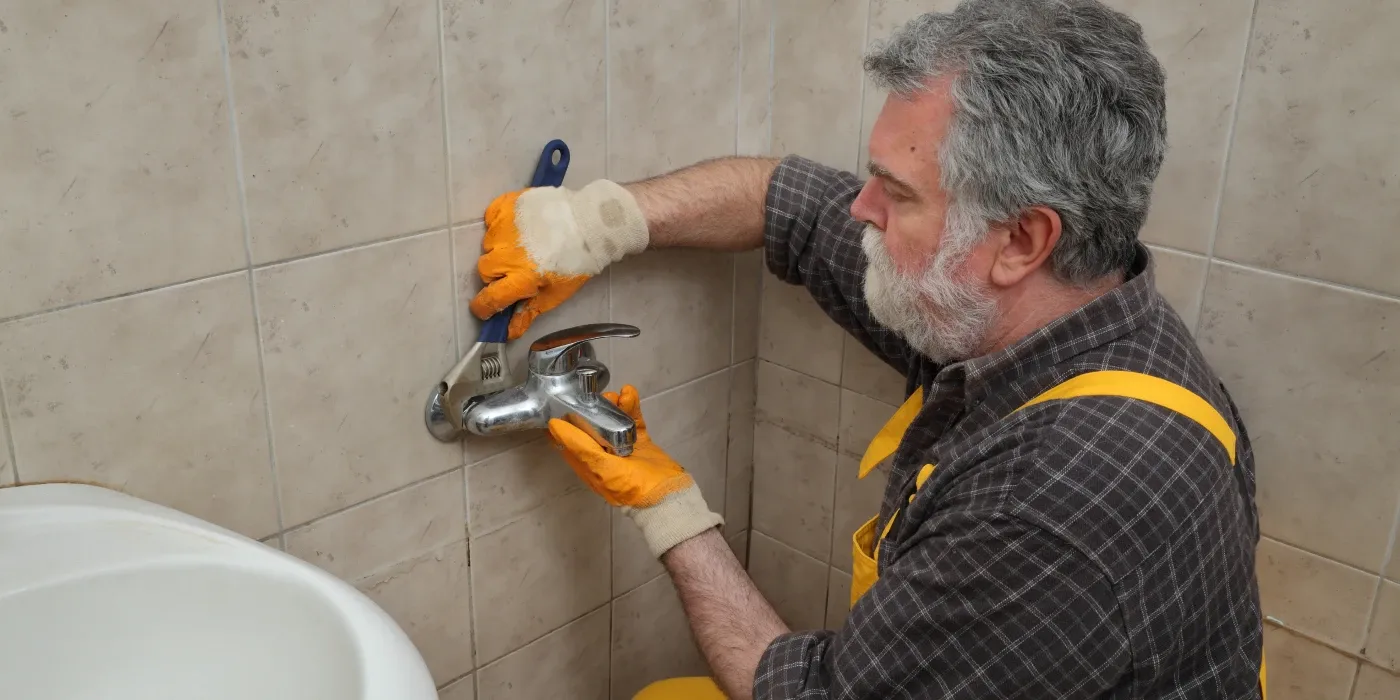
During a hospital wing expansion, the spec mandated press fittings on copper to avoid hot work. The larger press tool needed fresh batteries every 20 to 25 presses on 2 1/2 inch pipe. We staged three chargers and six packs, logged each press count per battery, and rotated systematically. The project passed pressure testing the first time. Without the battery plan, the crew would have stalled every hour.
Choosing your kit if you are moving up from residential
If you are a residential plumber planning to take on light commercial, start with a few key upgrades. A mid-range sectional drain machine paired with a set of cutter heads opens up service work that small drum machines cannot handle. A power threader capable of 2-inch threads is the threshold for many mechanical rooms. A small roll groover attachment that pairs with the threader extends that reach. A camera with at least 150 feet of push cable and a locator lets you sell repair work with confidence.
For joining, invest in a press tool whose jaws include 2 1/2 inch if your market supports copper press. If grooved pipe is more common in your area, a reliable roll groover and coupling tools will see constant use. Bring a torque-limiting wrench for no-hub couplings, even on small commercial jobs. It signals seriousness and avoids a common leak source.
Finally, adjust your approach to staging and safety. Plan moves of heavy tools with carts, dollies, and lifts. Protect finished spaces with floor protection and dust barriers that meet building standards. Keep calibration and service documentation organized. Those habits, combined with the right commercial plumbing tools, bridge the gap between residential and commercial work.
A short comparison that helps frame the differences
- Typical pipe sizes: residential 1/4 to 2 inch, commercial 2 to 12 inch and larger. Joining methods: residential solder, small press, threaded; commercial large press, roll grooved couplings, welded, no-hub systems. Drain service: residential hand augers and compact drums; commercial sectional machines and jetters with specialized nozzles. Preparation: residential hand cutters and simple reamers; commercial power bevelers, orbital saws, and calibrated groovers. Verification: residential simple pressure tests; commercial documented high-pressure tests, flow verification, and camera mapping.
The bottom line for tool strategy
Commercial plumbing raises the ceiling on everything that matters: size, pressure, damage risk, and coordination. Tools respond to that reality with more power, greater precision, and built-in ways to prove the work meets spec. If you treat commercial plumbing tools as a separate class rather than scaled-up residential gear, you make better purchases and deliver more reliable systems.
The investment is not merely monetary. It is a shift in planning, from battery logistics to calibration schedules, from rigging to documentation. The payoff shows in fewer leaks, smoother inspections, and crews who finish on time without improvising under pressure. The difference, as anyone who has hauled a 4-inch groover up a stairwell can tell you, is not subtle. It is the gap between getting by and building systems that run quietly for years.
THE LEANDER PLUMBER - COMPANY 1789 S Bagdad Rd #103, Leander, TX 78641 (737) 530-8021