Walk through any plumbing supply house and you can tell who works where. The tech in steel-toed boots loading six-inch grooved couplings probably spends his days in mechanical rooms and service corridors. The plumber with a tub of PEX fittings and a trim kit box is heading to a kitchen remodel. Both practice the same trade, yet their worlds diverge in scale, code, and the tools they trust. Choosing the right tool is not just about speed, it is about safety, compliance, and the quality of the finished system.
I’ve worked on everything from a single leaking angle stop in a craftsman bungalow to a multi-tenant hospital where the domestic booster set could fill a backyard pool in minutes. The difference between commercial plumbing tools and residential plumbing tools is a practical line the industry draws for good reasons. The loads are heavier. The stakes are higher. The schedule margins are thinner. And the tools need to match the environment.
What changes when the building changes
Plumbing is plumbing until you hit scale. The physics do not change, but the consequences do. A pinhole in half-inch copper will ruin a condo ceiling. A failed mechanical joint on a 6-inch supply line can flood an entire retail floor in minutes. Codes, inspection protocols, and materials adjust to that reality. Commercial buildings typically carry higher design pressures, more complex fixture counts, dedicated fire protection systems, and accessibility requirements that influence everything from fixture height to valve selection. They also bring specialized zones, from commercial kitchens with grease waste to labs with acid-resistant drains.
With those changes come different work routines. A commercial crew may weld steel pipe for a steam line in the morning and set hundreds of carrier frames after lunch. They move lifts and pallet jacks, coordinate crane picks for roof units, and do pressure testing in phases tied to construction schedules. A residential plumber works in crawl spaces, navigates finished drywall, and passes final inspection with a neat, serviceable layout hidden behind a vanity. Both settings demand craft. They just demand different tools.
Measuring and layout is the quiet foundation
Before copper gets cut or PVC gets primed, good work depends on precise layout. In houses, a tape measure, torpedo level, and a pocket laser go a long way. You set centers for the shower valve, stack a lav rough at 19 inches to the trap arm, and hit the flange rough for the water closet with enough wiggle room for flooring.
Commercial work favors instruments that keep accuracy over distance and across open slabs. Laser distance meters, rotary lasers on tripods, and digital levels speed up layout for hundreds of sleeves and hangers. On a medical project, I once laid out 180 hanger points in a single afternoon using a rotary laser and a stick prism, then confirmed invert elevations with a digital level. Try that with a tape and a sharpie and you will lose a day and a half and still miss tolerances.
The other quiet tool is documentation. In residential, a marked-up floor plan and a few progress photos will usually cover you. Commercial jobs run on submittals, BIM coordination, and RFI logs. Tablets loaded with 3D models help you verify whether your 4-inch waste riser collides with an electrical bus duct before you core the slab. That is not “tech for tech’s sake.” It protects schedule and keeps change orders honest.
Cutting and joining pipe: where the paths split
If there is a defining fork between residential and commercial, it is in how pipe gets cut and joined. Scale and material drive tool choice.
Copper and PEX dominate modern houses, with occasional CPVC. You can rough an entire three-bath home with a PEX press tool and crimp rings, cut copper with a compact tubing cutter, and sweat a handful of transitions with a mid-size torch. A cordless oscillating tool with a carbide blade cuts clean holes, and a right-angle drill handles notches and bores through studs without waking the neighborhood.
Commercial jobs layer in steel, cast iron, copper in larger diameters, and specialty plastics like polypropylene for acid waste. Those require heavy hitters. For steel, pipe threaders and groovers become daily tools. A good grooving machine paired with roll groovers will prep 2-inch through 12-inch pipe for mechanical couplings. Full-threading rigs, either stand-mounted or power drive units, chew through 2-inch galvanized all day when the spec calls for threaded fittings. You can hand-thread half- and three-quarter-inch with a ratchet set, but you do not want to thread a hundred pieces by hand.
When the specification is welded steel, the tool conversation shifts to bevelers, welding rigs, purge equipment, and QA tools like ultrasonic thickness gauges. Not every plumbing contractor carries that capability in-house, but larger mechanicals do, and they kit out carts with everything needed to weld consistent, code-compliant joints on schedule.
Cast iron still shows up in both worlds for building drains, but the exact approach differs. In a house, you might cut a single 4-inch stack with a snap cutter and hang a few lengths using no-hub couplings. In commercial, you may hang hundreds of feet of no-hub cast over corridors. That makes torque-limiting wrenches mandatory. I have seen failed inspections when crews used standard ratchets and over-torqued bands. The fix involved re-torquing every clamp on two floors, a day burned for want of the right wrench.
PVC and CPVC are forgiving, yet they demand discipline. In residential, solvent-welded joints are common and relatively https://theleanderplumber-company.com low-pressure. Commercial pressure-rated CPVC in mechanical rooms brings different risks. You need a clean cutting tool, proper chamfering, and a consistent solvent set time based on temperature. On a high school natatorium, our crew staged primer and cement by color and used timers during a winter install, because low ambient temperatures stretched cure time beyond what intuition suggested. That small step avoided brittle joints during hydrostatic testing.
Copper pressing tools are now common in both settings, but commercial-grade press tools accept larger jaws and longer duty cycles. A 1-1/4 inch press in a kitchen remodel is a handful compared to running 4-inch copper mains with mega press. It is not just size, it is the battery platform and cycle reliability. Missed cycles on a big-bore press fitting are not just nuisance leaks, they are change-order magnets.
Power, access, and safety are not afterthoughts
In residential work, you may run a drop cord from a garage outlet. You can often rely on cordless tools for most tasks and keep a couple of charged packs in the truck. In commercial work, you might be on temporary power or generators, with restrictions on cords crossing egress paths. Battery inventories grow into rolling cases with tracking labels. On a large job, our foreman checked out batteries like a librarian, because a misplaced 12-amp pack could cost an hour of hunting in a 300,000-square-foot building.
Access is another separator. Houses ask you to crawl. Attics, crawl spaces, and tight vanities reward compact tools. Stubby ratchets, short-throw basin wrenches, flexible shaft drivers, and headlamps all earn their keep. Commercial jobs push you upward. Scissor lifts, boom lifts, and platform ladders replace crawl gear. Torque sticks and impact drivers hang from tool lanyards. Even a simple hand tool like a 24-inch pipe wrench makes more sense when you are working overhead on 3-inch black iron and can leverage the extra bite without overreaching.
Safety practices follow. In a home, you still wear PPE, but you rarely set up hot work permits in a living room. In hospitals, airports, and factories, hot work is a formal process with fire watches, gas monitoring, and time windows. That changes a plumber’s day and tool choices. Flame-free joining methods like press fittings are not just convenience, they are risk control. Shielding blankets, spark containment, and even portable fire curtains become standard gear.
Drain cleaning and diagnostics: different clogs, different strategies
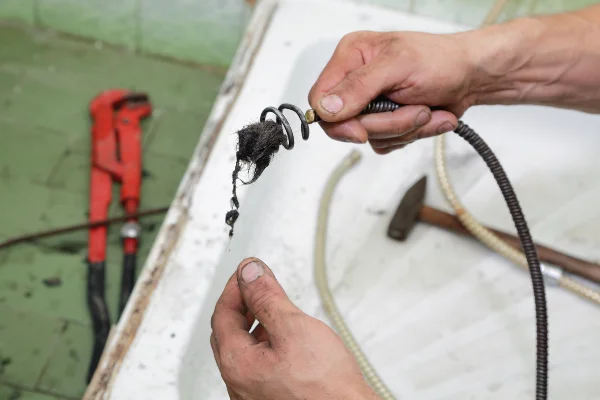
Every plumber runs into blockages. In houses, hair, wipes, and kitchen grease are the usual culprits. A compact drum machine, hand auger, and a small inspection camera solve most headaches. Enzyme treatments and patient education do the rest.
Commercial buildings present broader problems. Long horizontal runs sag if not properly hung, and grease waste lines from commercial kitchens load up quickly. Hospitals and schools see foreign objects that would surprise you. That calls for sectional drain machines with more torque, jetters with recirculation capability, larger nozzles, and more camera options. On a restaurant call, a 4,000 psi jetter with a warthog nozzle cleared a main that a drum machine could not budge. We paired the jetter with a locator to map the run and found a belly in the line. The fix required regrading a 40-foot section, but we restored service in hours rather than tearing up concrete blind.
Diagnostic tools evolve with the building too. Residential thermal cameras help find a radiant floor loop or a hidden leak in a ceiling. Commercial-grade leak detection often adds acoustic correlators, pressure loggers, and data recorders. If a high-rise has recurring pressure spikes at night, a week of logged data shows whether the booster pump controls are hunting. You bring tools that answer management questions, not just fix today’s symptom.
Valves, backflow, and the test bench you bring to the site
A house may have a pressure-reducing valve at the main, a couple of shutoffs, and point-of-use stops. Commercial systems multiply valves and assign them roles. Control valves, balancing valves, PRVs in series, and backflow preventers are all part of the kit. That means the plumber’s tools include test gauges, hoses, and adapters that create small portable test benches.
Backflow testing is a good example. In many jurisdictions, commercial backflows require annual testing by certified technicians. The technician carries a calibrated test kit, hoses, and bleed valves, along with spare check assemblies. The same skill set shows up with hydronic balancing. You do not just install a valve, you measure differential pressure across it and set it to design flow. Residential work seldom asks for that depth of adjustment, so the tools do not pay for themselves unless you operate in those systems regularly.
Fixtures and trim: speed still matters, but durability leads
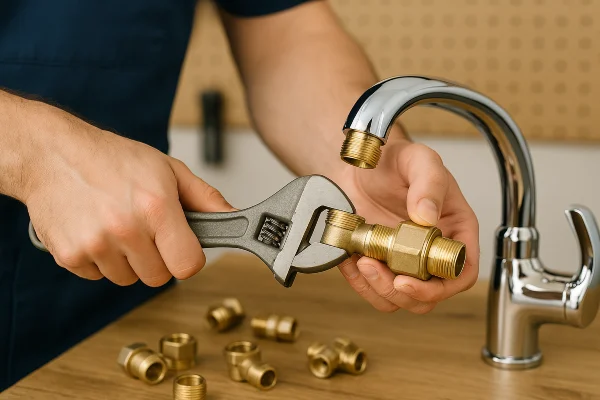
A residential plumber handles fixtures one at a time, often chosen by the homeowner. You set roughs to standard heights with allowances for finished surfaces, then you trim with care to protect finishes. A set of deep sockets for faucet nuts, a basin wrench, and a trim kit with Allen keys covers most of the day.
On a commercial floor, you might set 100 wall-hung water closets on carrier systems and trim them out in a week. Now the tool needs shift to productivity. You bring templates for carrier bolt patterns, laser lines for uniformity, and torque-limited drivers to avoid stripping stainless hardware. You stock nut setters in consistent sizes and keep anti-seize in your pocket. I have seen labor drop by a third on a hotel job when a crew standardized bit holders and adopted a two-person flow: one sets, one torques and tags. That is a tool choice as much as a crew choice.
Durability matters more because fixtures see abuse. Institutional flush valves, as an example, require specialty keys, rebuild kits, and accurate pressure gauges for adjustments. An office faucet that drips wastes water and annoys tenants, but a misadjusted flushometer can create splash, clogs, and maintenance headaches across a bank of restrooms. The plumber who services these spaces carries parts and tools that do not live in a residential service van.
Code, inspection, and documentation: the hidden toolkit
Tools are not only steel and battery packs. Knowing the code and how it is enforced is its own set of instruments. Residential inspections are consistent, but they tend to happen in two to three visits, and the inspector looks for safe, neat, code-compliant work. Commercial inspection has more stakeholders. Fire marshals, health departments, city plumbing inspectors, and commissioning agents all step in with checklists.
Your “tool” here is organization. Labeling, pressure test logs, backflow test certificates, and fixture count spreadsheets live alongside pipe dope and flux. On a medical build, we had a rolling file cart with spec sections, approved submittals, and a binder of test results that was as valuable as the press tool cart. When an inspector asked for hydro test documentation covering the third floor domestic cold water main, we had times, pressures, temperature notes, and witness signatures. The inspector nodded, flipped to the next page, and kept walking. Try that without paperwork and the job stops.
Practical buying advice for contractors and serious DIYers
Not every plumber needs every tool. The smart money buys for the work you do 80 percent of the time, then rents or borrows the edge cases until repeat need justifies the cost. Jobsite realities shape the purchase list.
- If you primarily handle residential Plumbing projects, invest in a reliable press tool for copper and PEX, a compact drain machine, a quality torch with proper regulators, and a small inspection camera. Add a right-angle drill, oscillating multi-tool, and a good set of hole saws. You will use them weekly and they pay for themselves quickly. If you run commercial crews, prioritize pipe preparation. A power drive threader, roll groover, torque-limiting wrenches for no-hub, and core drilling gear will save days over improvisation. Build battery ecosystems around a few platforms to reduce charger sprawl, and buy extra packs with high amp-hour ratings to support big press tools and band saws.
Tool brands matter less than service and parts availability. A press tool that sits waiting on a repair for three weeks is a liability. Ask your supply house about loaners while tools are in for service. Negotiate calibration schedules for backflow test kits and differential pressure meters. And do not ignore consumables. Cutting oil, quality dies, fresh saw blades, and new jetter nozzles are not luxuries, they maintain productivity.
Real-world mistakes I have seen and how the right tool avoided them
Press fittings on dirty copper in a dusty renovation. Commercial. Someone skipped cleaning and deburring before pressing because the crew was behind schedule. Micro leaks appeared during the overnight test. The fix involved draining, cleaning, and re-pressing three dozen joints. A simple prep tool with integrated deburr and cleaning wheels would have added seconds per joint, saved hours in rework, and reduced drywall damage.
Over-torqued no-hub couplings on a mid-rise drain stack. Residential scale does not prepare you for the strict torque requirement on long runs. The crew used standard ratchets, crushing gaskets. A torque-limiting driver made the difference. The inspector returned, checked with his own wrench, and passed the floor.
Wrong battery platform at a hospital job. We had three brands on site and a mess of incompatible chargers. Tool downtime crept in. When we standardized platforms and staged charging stations near the lifts, productivity jumped, and the “dead battery” excuses evaporated.
Improvised hangers because the right rod cutter was not on site. A residential rod cutter handles small diameter threaded rod, but 3/8 and 1/2 inch rod in quantity needs a quality cutter or portable band saw. Burrs from hack saws led to nut binding and wasted minutes on every hanger. Multiply that by 600 hangers and the lost time hurts.
Maintenance mindset: tools do not make money in the repair shop
Any plumber will tell you, the tool you neglect will fail you at the worst moment. Residential or commercial, a maintenance program matters. For press tools, track cycle counts and schedule seal replacements before they leak. For drain machines, clean cables, oil them, and store them coiled properly. For threaders and groovers, replace dies before they tear threads and wipe clean after use to prevent corrosion.
Batteries deserve attention. Store them at moderate charge, keep terminals clean, and log failures. Most major brands offer free replacements within a window if you can document abnormal failure. Calibration tools, like backflow kits, require annual checks. Build that into your calendar and assign responsibility. The goal is not to own shiny equipment, it is to have dependable tools that support your crew without surprises.
Residential finesse vs. commercial muscle
It is tempting to paint residential work as “lighter,” but the finesse required to retrofit a 1920s home without damaging plaster, to snake a line without scratching a clawfoot tub, or to reroute a vent through a tight roofline is its own challenge. The residential plumber’s tool bag leans toward compact, quiet, and clean. The vacuum is as important as the wrench. Protecting finishes and leaving a tidy space builds referrals.
Commercial work prioritizes throughput and coordination. Your tools integrate with schedule and scope. If a lift is late, your whole plan shifts. If the press tool fails, the overhead trunk line does not go up that day. The right commercial plumbing tools are force multipliers. They let a small crew install big systems safely.
Choosing wisely when roles overlap
Small commercial fits in a gray area. Restaurants, small offices, tenant improvements, and churches sit between worlds. A residential shop can step up successfully with a few targeted additions. Rent a core rig rather than drilling a 6-inch hole with a cheap hole saw. Borrow a roll groover for two days instead of trying to thread 4-inch pipe. Bring in a backflow-certified tester when you install a new assembly. The project finishes on time, and you avoid the learning tax of broken fittings and angry GCs.
Likewise, a commercial outfit stepping into custom homes should adjust its mindset. Tone down the big hammer approach. Swap the 36-inch wrench for a basin wrench when you work under a farmhouse sink. Use drop cloths and shoe covers. Carry color-matched caulk and a vacuum. The client will remember care more than speed.
Where the industry is heading and what that means for your toolbox
Materials and methods evolve. Press systems keep expanding into larger diameters. PP-R and other heat-fused plastics are gaining ground for hydronics and domestic mains. Graywater and rainwater harvesting introduce new treatment components and controls. Smart fixtures bring networked sensors into bathrooms and mechanical rooms.
That evolution does not mean chasing every new gadget. It means watching your market, reading specs, and piloting tools on low-risk tasks. When we added PP-R fusion to our capabilities, we did it on a set of non-critical return lines first, with the manufacturer’s rep on site. We learned the heating times, pressure, and handling. Only then did we bid larger projects that specified the material. The same approach belongs in residential. Try a press transition kit on a remodel before you promise a full press job to a picky client.
A compact comparison when you have to decide fast
- Scale and pressure: commercial systems run larger diameters and often higher pressures, which demand heavy-duty cutting, joining, and testing tools. Residential tools favor compactness and finesse. Access: houses need low-profile, quiet tools that work in tight spaces and finished rooms. Commercial jobs require lifts, long-reach tools, and rigging options that function safely at height. Compliance: commercial adds specialized testing and documentation tools for backflow, balancing, and commissioning. Residential focuses on tidy, code-compliant installs and fast service diagnostics. Joining methods: residential leans on PEX, copper press, and solder in small diameters. Commercial adds grooved steel, welded joints, large-diameter press, and no-hub cast iron with torque control. Diagnostics: residential cameras and small jetters solve most clogs. Commercial work benefits from sectional machines, high-pressure jetters, advanced cameras, and locators that map long runs.
The thread that runs through both
Whether you are a sole proprietor plumber handling weekend emergencies or a foreman running a crew on a high-rise, the right tool does two things. It lowers risk, and it buys time. Risk shows up as leaks, injuries, failed inspections, and callbacks. Time shows up as hours you do not spend redoing a joint, searching for a battery, or arguing with an inspector.
Commercial plumbing tools and residential plumbing tools each earn their place through repetition. If you find yourself forcing a tool to do a job it was not meant for, step back and ask if there is a better match. Rent it if you must. Borrow it if you can. Then, if the need repeats, buy it, maintain it, and train your crew to use it well. The job will tell you what it needs if you are willing to listen.
THE LEANDER PLUMBER - COMPANY 1789 S Bagdad Rd #103, Leander, TX 78641 (737) 530-8021